DECISION REVIEW · 6 MIN READ
A feedback loop for better investment decisions.
Investment results show what happened. A connected review process helps determine what to repeat, change and test next.
October 18, 2026
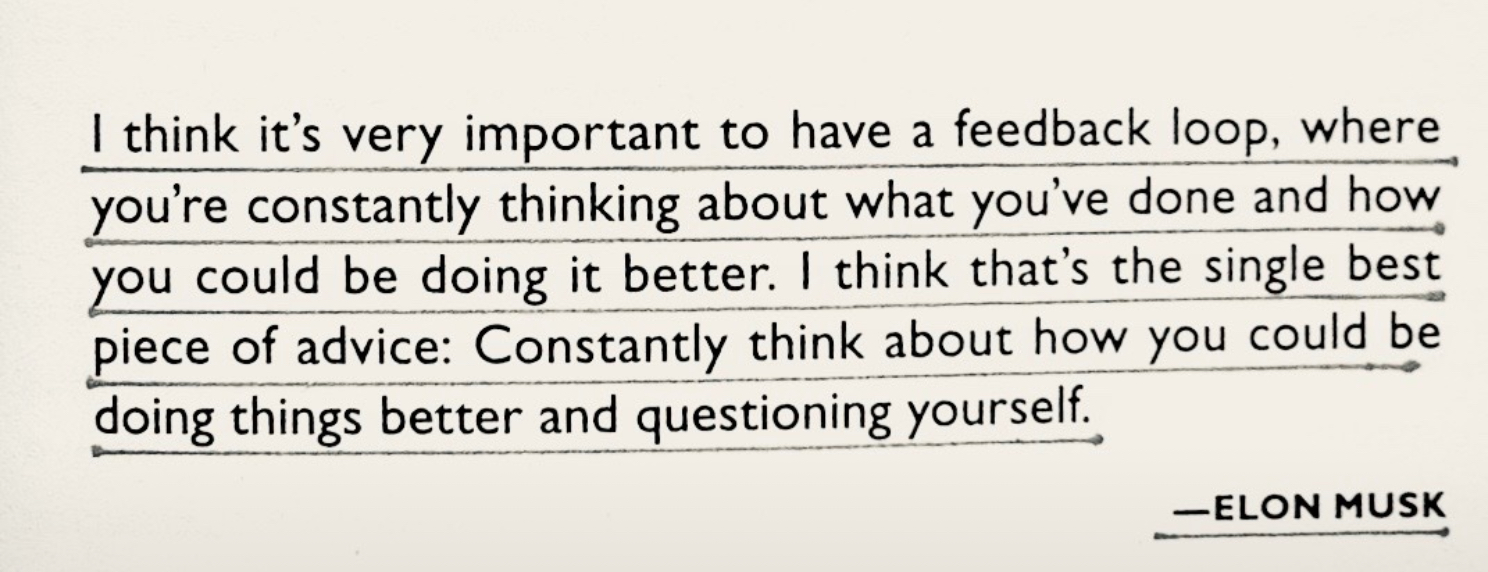
My investment results can tell me what happened without explaining what I should repeat.
A profit might reinforce a mistake.
A loss might make me question a reasonable decision.
That is why I want a feedback loop that helps me learn from both.
Examine five connected questions.
- 01
What did I expect?
- 02
What actually happened?
- 03
Why was there a difference?
- 04
What should I improve?
- 05
Did that adjustment help?
1. What did I expect?
A decision journal preserves my original reasoning.
Before investing, I would record the goal, assumptions, position size and evidence that would make me reconsider.
Without that record, hindsight can make my expectations look clearer than they were.
2. What actually happened?
An assumption tracker helps me follow the evidence.
I would record changes in fundamentals, prices, portfolio exposure and my own behaviour.
Some assumptions may hold while others weaken.
3. Why was there a difference?
A review template helps me examine plan quality, execution quality and outcome separately.
Did I overlook evidence?
Did I act differently from my plan?
Did an uncertainty I had already recognised materialise?
I may need more evidence before drawing a conclusion.
4. What should I improve?
A pattern log helps me identify recurring weaknesses.
Perhaps I repeatedly take positions that are too large, react to urgency or give too little attention to evidence that challenges my view.
I would choose one specific adjustment and record it in an improvement log.
5. Did that adjustment help?
At a later review, I would check whether I applied the change and whether it addressed the weakness.
A higher return alone would not establish that it worked.
Connect the tools over time
These tools can sit in one spreadsheet or document.
Their value comes from connecting the entries over time.
You can review an investment, recognise a mistake and still repeat it.
The feedback loop becomes useful when a lesson changes your next decision and you examine whether that change helped.